

A Swedish tech startup company is using ‘Industrial Origami’ to manufacture the lightweight stainless steel chassis for their new STILRIDE SUS1 – Sports Utility Scooter One.
STILRIDE’s pioneering industrial origami technology, called STILFOLD, is the brainchild of best friends Tue Beijer (left) and Jonas Nyvang (right), whose backgrounds span the worlds of fashion, industrial design and engineering.
STILRIDE co-founder Tue Beijer designed his first electric scooter in 1993. He has since worked for Giotto Bizzarrini, who created the 250 GTO and the Lamborghini V12 engine, BMW motorcycles, Husqvarna and in his spare time designed a lightweight sports car from scratch.
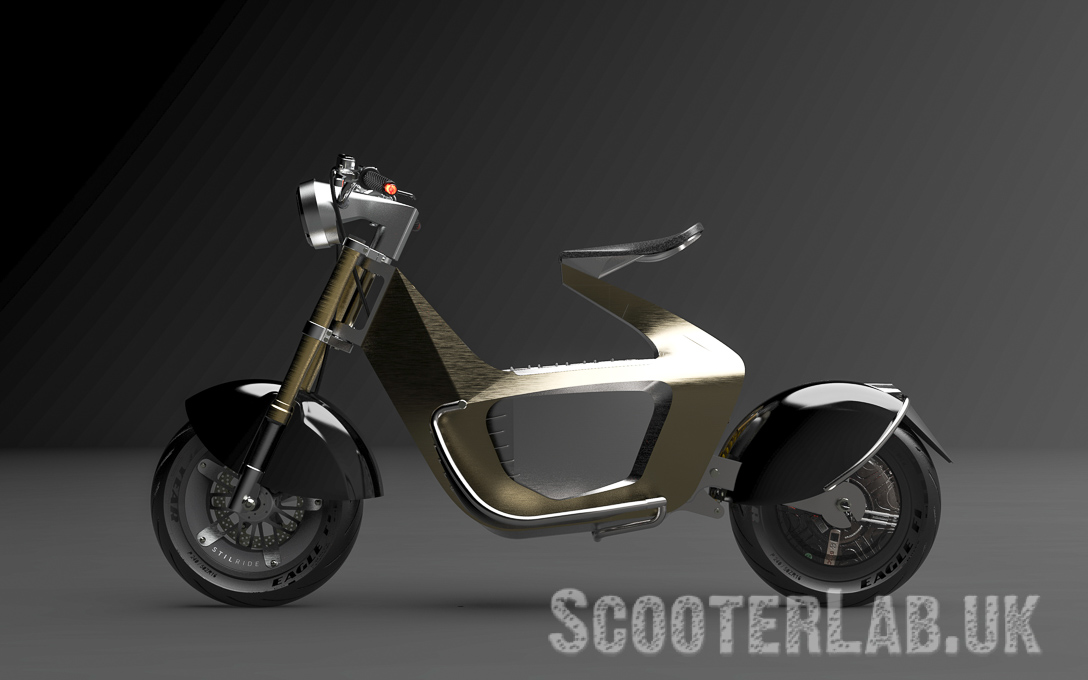
With STILRIDE, the duo aim to reimagine how high-performance electric-mobility products are manufactured and distributed using cutting-edge steelwork, advanced robotics and ambitious design.
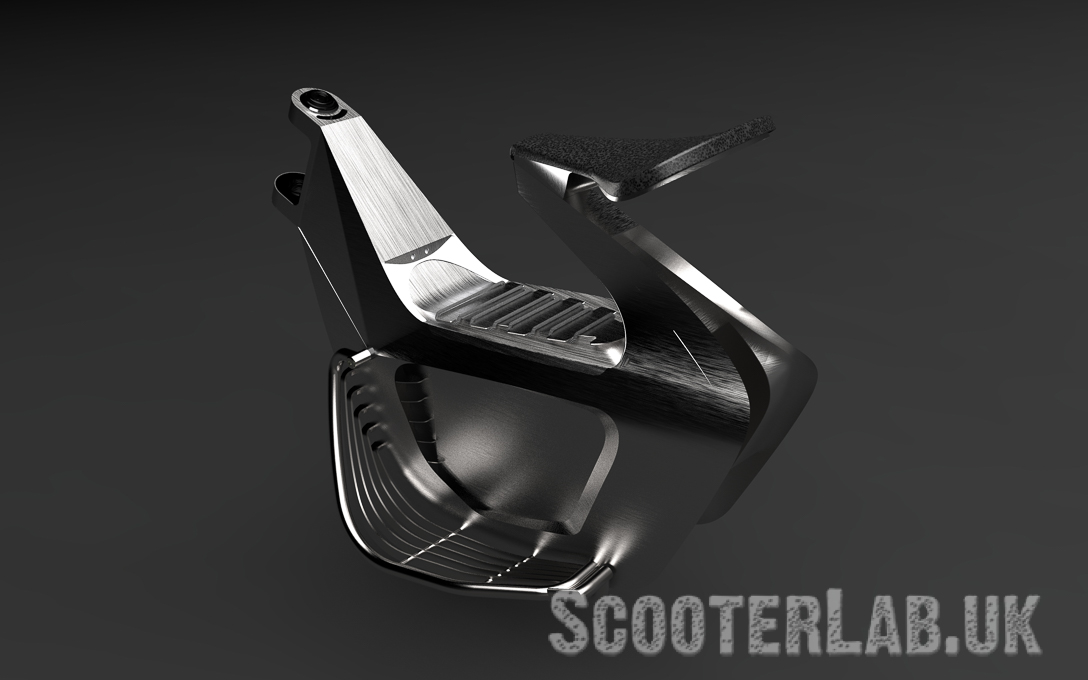
Flat-packed
STILRIDE’s pioneering manufacturing process uses robots to fold sheets of stainless steel over curves, much like origami. This results in a lightweight, durable body with quite a stunning look to it. The process also uses fewer raw materials, is less labour intensive and the company plan to further reduce the carbon footprint by flat-packing the sheet steel so it can be shipped to factories across Europe to be folded in-house. Final assembly of the hub motor, battery pack and running gear will also be done in the local factories.
According to the press release, the climatic impact of developing the chassis for the SUS1 is 50% less than that of traditional scooters. The company aim to release a first pre-series of the SUS1 to customers in Europe by autumn 2022. They’re also working on a fleet vehicle and trailer. You can find out more here.







Can’t wait till Autumn 22